
POSTCARDS FOR THE DEAD
Gretchen VanWormer
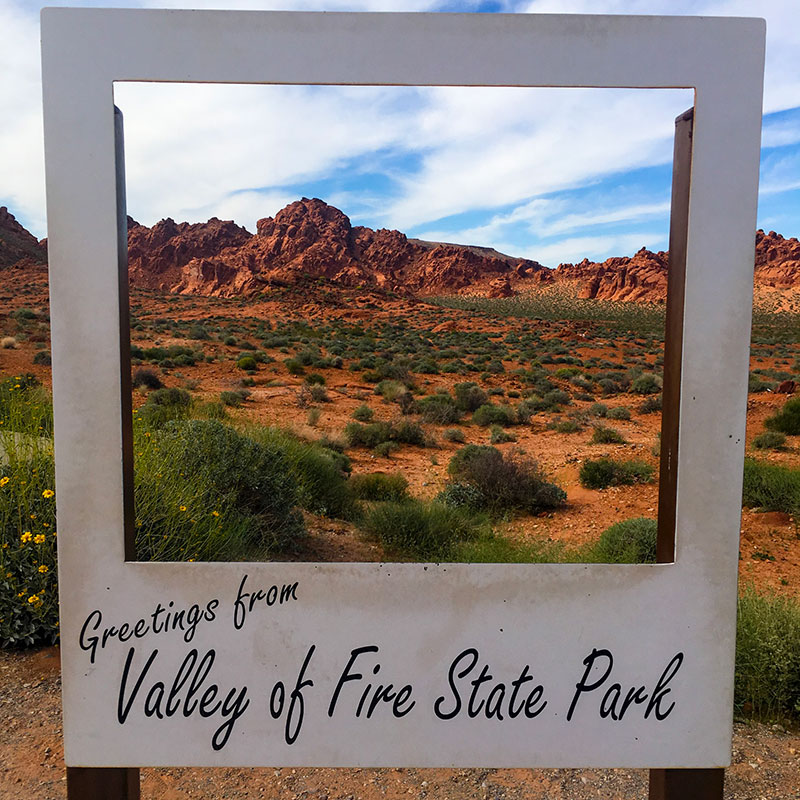
Figure 1: Welcome sign, Valley of Fire State Park, Overton, NV, 2019
East Entrance, Valley of Fire State Park
Everything looks like a postcard out here, the kind I'd tuck into my photo album as a Vermont kid. I still have the postcard you and Mom sent me of the sand dunes in Spain, a special trip Mom's parents saved up for, to show you and Mom her roots. Now, a year after digesting your suicide note—a task I put off thirteen years, the grief too large to face—I've traveled to Moapa Valley, Nevada, in spring, almost on instinct, sure the Aztec sandstone cliffs, the dunes crammed with wildflowers, will be a place where I can finally speak to you, end the estrangement that began years before your death. In photographs, the rock formations of Valley of Fire, carved by water and time, remind me of my own body. My ticker shaped by burns: first by ablations to fix a tricky arrhythmia, then by hearing the news you'd shot yourself in the chest. Hearts a dark connection, but ours, and I'm not afraid to feel close to you anymore. I know you're not coming back.
*
Fire Wave
Years ago, before abandoning your camera in Mom and my stepdad Bryce's garage, I excavated a roll of film from the camera case, popped the black canister in my fridge, thinking there might be pictures there, some negative worth keeping. By next spring, the worry of finding unexposed film grew stabby, so I tossed the film in the trash, meat gone bad, a choice I don't regret. But the idea of postcards helps me speak to you now, fill in the blanks with small memories, like pebbles on a gravestone.
This morning I followed the Fire Wave trail into red sand, past a monolith they call the Rock of Gibraltar, named for a place that signaled one end of the known world.
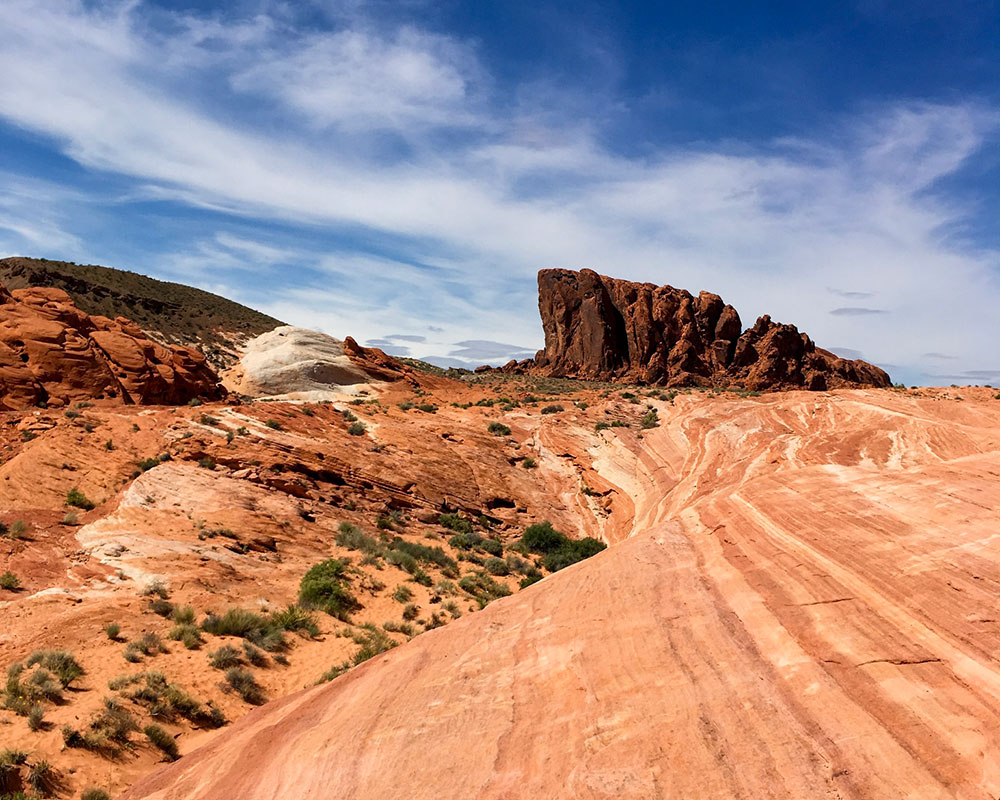
Figure 2: Looking back at the Rock of Gibraltar from the Fire Wave, Valley of Fire State Park, Overton, NV, 2019
Buckhorn cholla grew in the sand, a plant called "jumping cactus," its pieces breaking off easily, catching on skin or fur: spiny luggage. But the desert air smells sweet in spring, like melted vanilla ice cream. I wasn't expecting that, thought the desert's body might smell, if anything, like salted heat, the insides of an oven scraped clean of ash. I was refreshed by this sweetness.
I slid hiking down a steep decline after sand gave way to stone made slippery with grit. I caught myself on my palms, was surprised to find only shallow scrapes, the tiniest pinpricks of blood, almost ruby in the sun. So I kept on until I reached the fire wave, ribbons of red and white stone shaped by weather, as if the stone remembered when it slept beneath an ocean. I sat on one wave, ran my fingers along the ripples. I think this is what you became for me after your death, some loitering energy, not far enough from love. I turned back toward the Rock of Gibraltar, took a photograph. Felt as though I'd crossed into a space where it's the hurt that weathers, softens.
Resting on the fire wave, I searched through photos from the Visitors Center, determined to identify the source of the desert's sweetness. It's likely birdcage evening primrose, a fragrant dune flower that propagates everywhere in these sands. Yellow centers and diaphanous, white petals that fade to pink as they age. The plant takes its name from the sculpture its body forms in death, stalks curving toward the top, meeting to form a birdcage. The stalks fall open with time, spilling the soul like a glass of water.

Figure 3: Birdcage Evening Primrose, Valley of Fire State Park, Overton, NV, 2019
*
White Domes
The White Domes trail is like a beach vacation: fine, white sand that sifted into my socks, dreamy in its softness. Dried plants reminded of driftwood. I almost expected to smell coconut, thought of our summer trips from Burlington, Vermont, to Old Orchard Beach, Maine, when I tried to be like you, diving into the waves, only to find myself shoved to the bottom. My sister Margaret had to drag me by the hand, sing Paul Simon's "Graceland," teach me to jump over the waves.
I picked my way down a steep jumble of white rocks. Along one edge, a boulder was shaking off its skin in layers. The crumbly surface, a burnt red, slowly melted away to reveal the smooth rock beneath: white streaked with fresh red. I felt empathy for the boulder, hoped the sensation was a strange pleasure, like peeling a sunburn, the skin beneath so clean. Or maybe like my own ablated heart, tiny scars healing through eons.
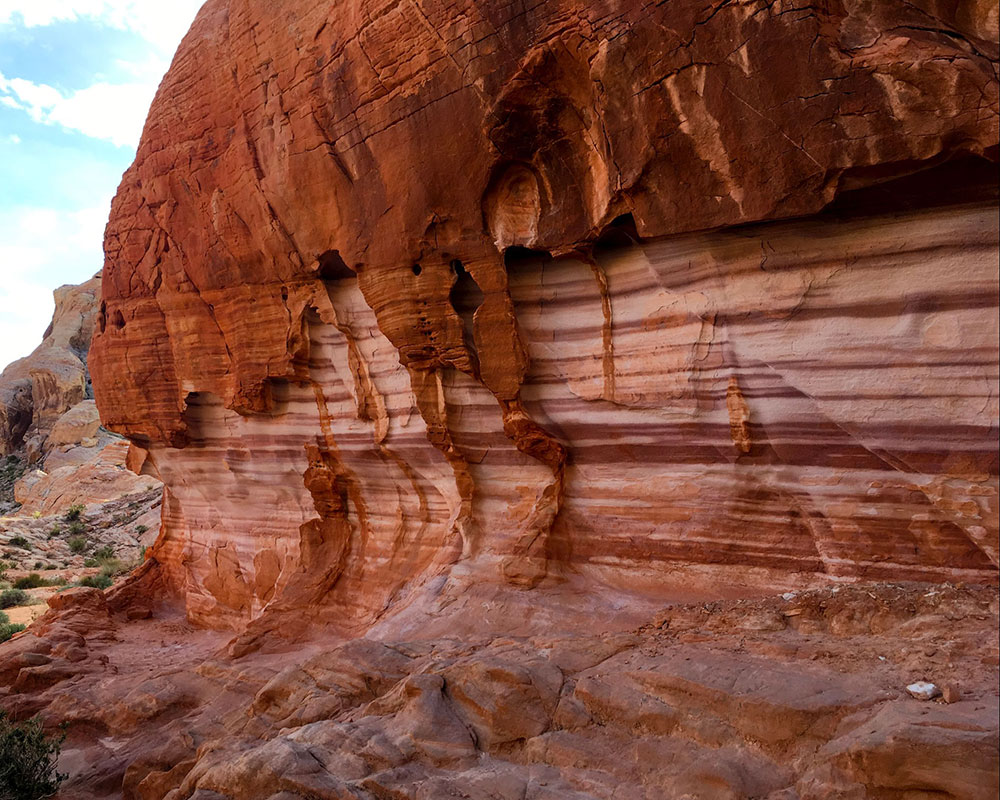
Figure 4: Along the White Domes Trail, Valley of Fire State Park, Overton, NV, 2019
At the bottom of the hill, the trail became level, filled with tumbled rocks and sand. I passed the remains of an abandoned film set, some old Western even the sign called unremarkable, then realized I was walking on a wash, a space that floods and drains after a storm.
The path bent, narrowed into a slot canyon. High walls of gray, pink, and white stone, shaded from light. I confess, at the risk of dramatics, that I saw the power of water as not unlike a bullet to the chest, felt relieved to be here under fresh sunlight, whipped clouds. I pressed my fingers in the empty spaces, walls honeycombed from loss, thought of Margaret who said, "Just don't disappear into a park." A reference to folks who go missing each year in national or state parks, slip into wilderness only to be discovered weeks later, bodies embarrassingly close to help. Your daughters expect vanishings.
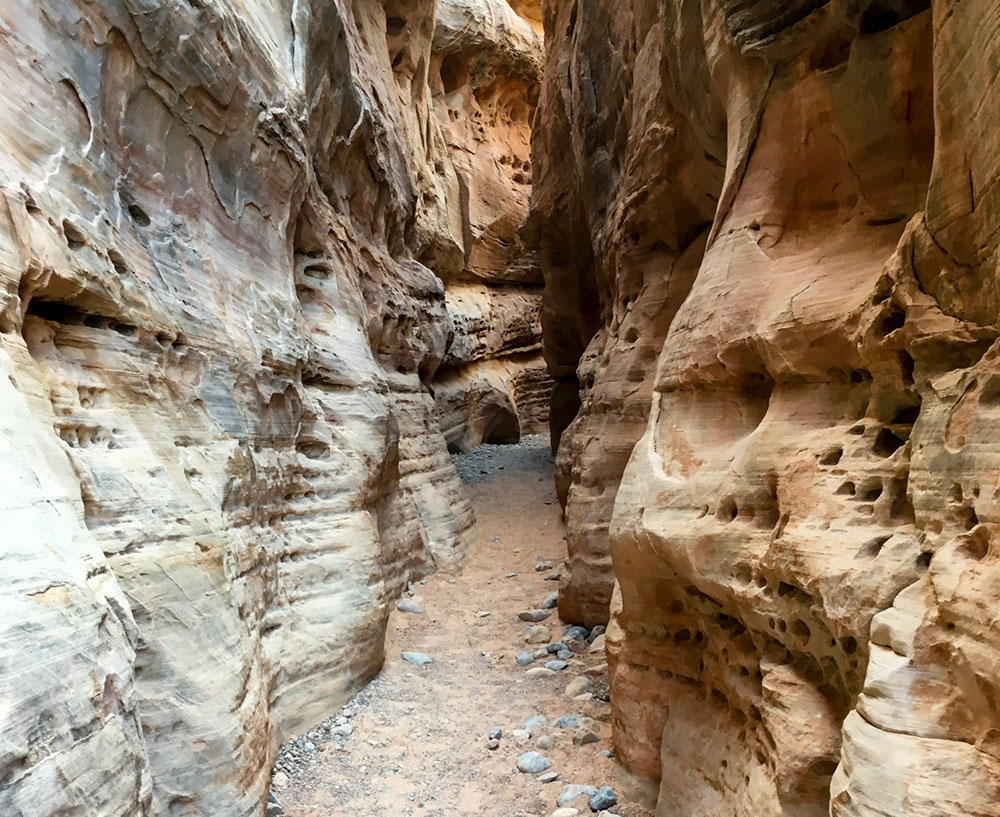
Figure 5: Slot canyon on the White Domes Trail, Valley of Fire State Park, Overton NV, 2019
I continued on this path, a loop, and climbed back to elevation, where the high rocks seemed to open into a view without end. The Earth a glamorous movie star, a Judy Garland type who turned to me and said, How could he leave this place?

Figure 6: View at end of White Domes Trail, Valley of Fire State Park, Overton, NV, 2019
*
Fire Canyon/Silica Dome
In the movie, Star Trek: Generations, it takes two generations of captains, Kirk and Picard, to stop Soren, a scientist, from destroying a sun in the Veridian system. If Soren wins, the force of the sun's death will kill all life on a nearby planet. But it will also alter the course of the Nexus, a fiery energy ribbon that travels through the universe. The Nexus traps beings inside its fire. Once inside, though, they experience a powerful illusion of heaven. Soren's wife and children were murdered years ago by the Borg, and Soren longs to reunite in the Nexus. He was snared by the ribbon once before, but was rescued—and this vexed him. Other attempts to return to this heaven space have failed. He's determined to end the sun.
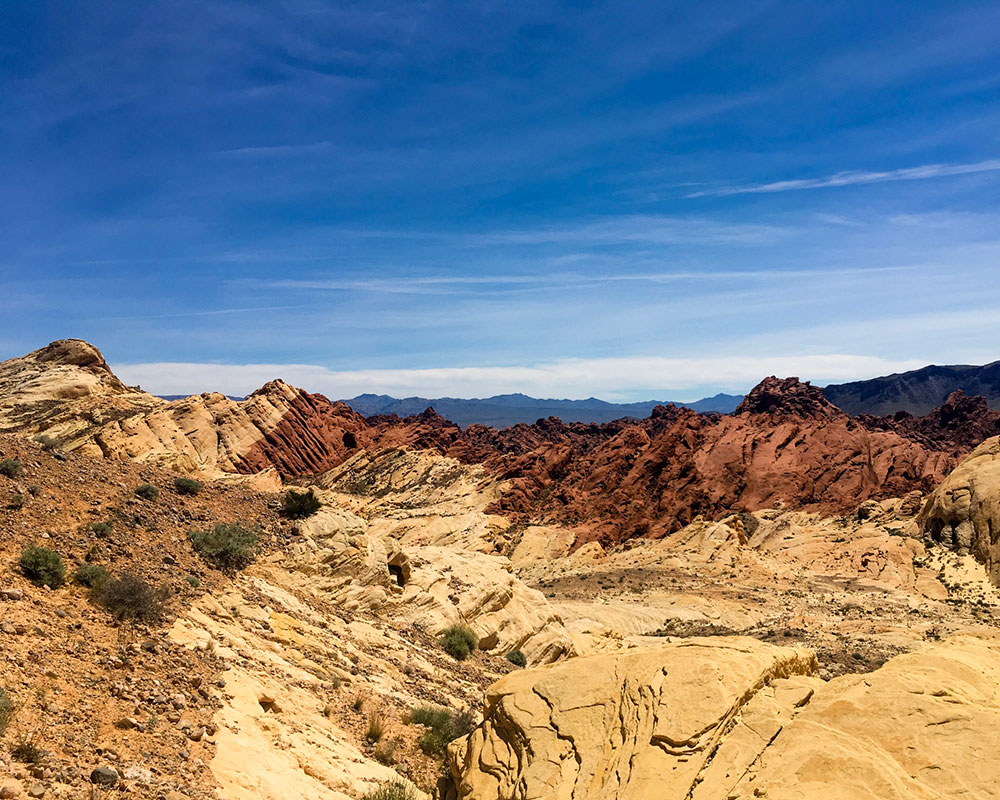
Figure 7: Fire Canyon/Silica Dome, where they filmed Star Trek: Generations, Valley of Fire State Park, Overton, NV, 2019
They filmed Soren's death scene in the Fire Canyon/Silica Dome, named for the ways that rock, and time, overlap here. I hiked out onto a stone table, pale yellow with streaks of pink and purple, a watercolor, and thought of your note, another postcard of sorts, asking that I take comfort in knowing you were finally at peace: a request I found naïve. Close to the table's edge, I stretched my legs in the sun, and couldn't help but think what a mistake you made, believing you could hurtle yourself into space. Did you really think you'd find us there, and not on a sandy beach? You left your siblings too. I can't imagine leaving Margaret.
Before the captains join forces to kill Soren, save the planet, the scientist tells Picard he is sick of being stalked by death. He says the Nexus is the only escape. I feel compassion for Soren, the way I now feel for you. He saw one path, and it wrecked his life. After Soren is killed, the planet and its life forms are safe, and the energy ribbon moves on. The film doesn't show what happens to Soren's body or spirit. We only know he never got to wrap himself in the Nexus.
On the Fire Canyon/Silica Dome, the rock formations looked like a special effect. I almost didn't believe they were real. White silica folded over a sandstone so dark it resembled chocolate. I took a photograph, sent it to Margaret. She asked if I felt all baked-in and good, and I said yes. I did feel like dough risen in the oven, taken out, left to cool on the sill.
*
Double Negative
Today I trekked beyond the bounds of the park, took my four-wheel drive rental twenty jittery miles away—the other side of Moapa Valley—to a remote corner of Mormon Mesa. I wanted to see Double Negative (1969), Michael Heizer's massive piece of land art, overlooking the Virgin River. The two trenches, 30 feet long and 50 feet deep, face one another across a wide depression. I think I imagined I could face you in that space, the visual line a bridge my eye could cross. The cuts aren't kept fresh, but left to slowly collapse and fill, healing like a deep scar.
On the drive, I passed a small airport with ads for skydiving, thought of the glider ride we took in Vermont decades ago, a kind of freefall, riding the thermals back to Earth. Before we flew, Mom and Margaret took a photograph of you and me beside the engineless plane. I can't find that photo now, which feels like a loss. But I remember the exquisite quiet when the tow plane unhooked from us and left. And the blue rinse of sky over our heads. And the green-blue marshes that rose when I finally grit my teeth and looked down. Matted, yellow grasses all twisted around each other. Soft squares of violet and pink and mint-green, like paintings I'd seen in museums. My fear of flight mixed with surprise.
"Do you see now?" you said, and I said, "Yes." And I'm still grateful for that lesson.
The climb onto the Mesa was steep and winding, no guardrails, and I felt foolish, leaving the park behind to hike into a space that was alien to me, no Visitors Center with retro T-shirts and overpriced popcorn. But maybe I am like you in this way: I chase experiences.
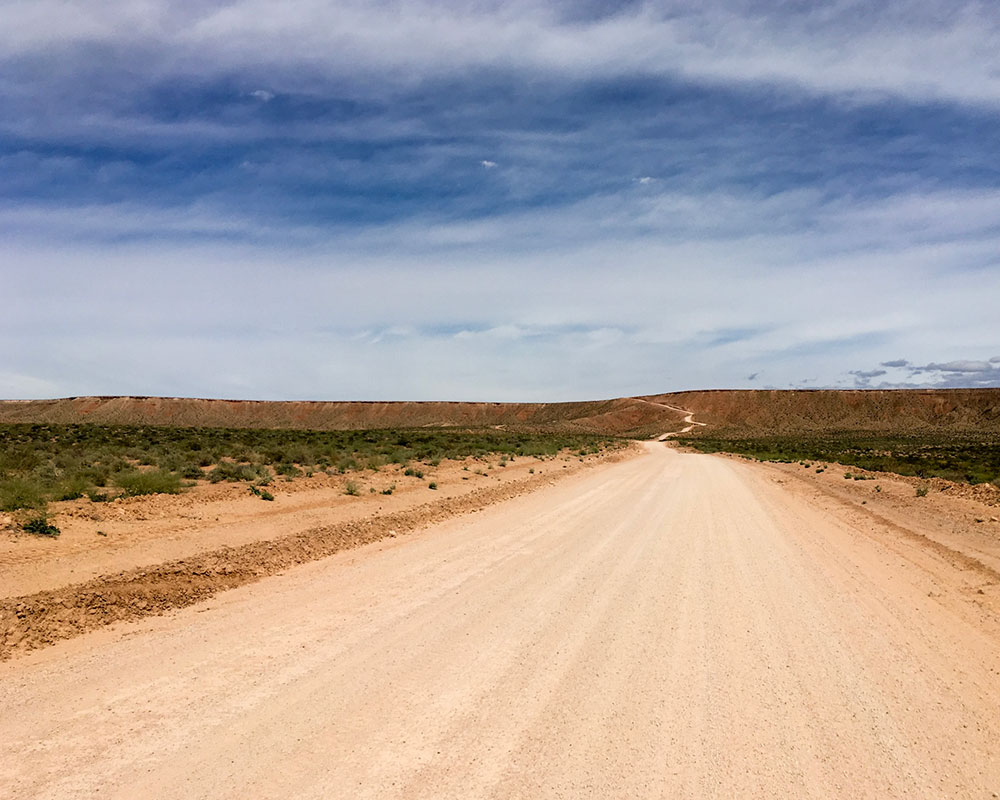
Figure 8: Mormon Mesa Road, Overton, NV, 2019
A blind turn onto the Mesa, and I stopped to steady my breath before driving East across the tabletop, following a smudged path. Soon I reached the left turn that traces the Mesa's bitten edge. Deeper sands and green scrub, rocks pinging off the bottom of the truck. About a mile down, the green scattered and the path turned to flat, baked sand. I saw a thick darkness, as if a line drawn by charcoal. Realized I'd found Double Negative.
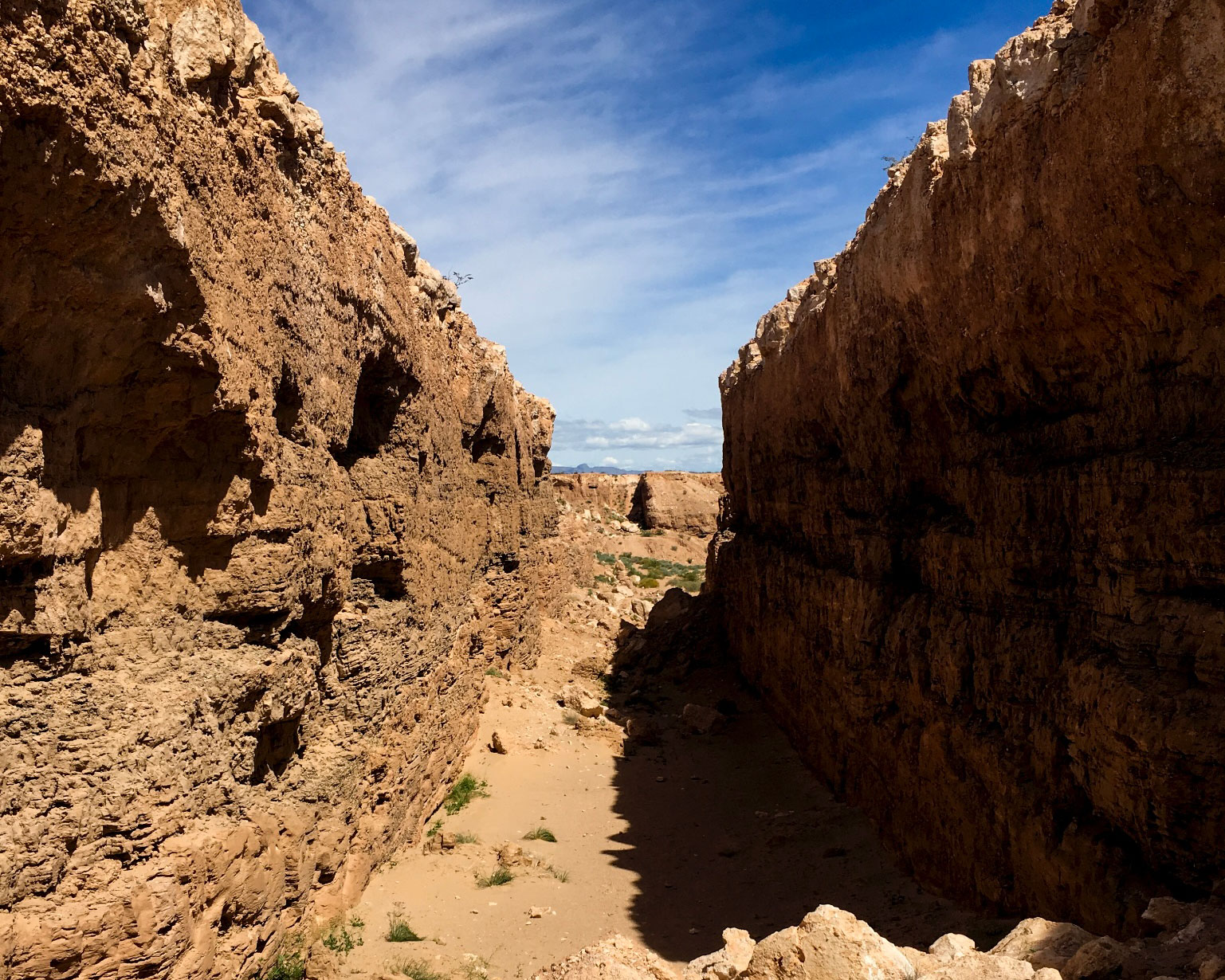
Figure 9: Inside the southern trench of Michael Heizer's Double Negative (1969), Overton, NV, 2019
Michael Heizer doesn't want photographs of his land art shown in museums, says the experience cannot be captured by an image. I do love a grumpy old man defending his art. And what he's saying is both true and not true. Photos can't match this punch of negativity, but they can expose the cycles of this place.
Try to imagine this trip: dropping down into negative space, 240,000 tons of displaced sandstone, 1,500 feet of combined length, including the gap. A longer drink of water than the Empire State Building is tall. At first, I felt as though I'd hiked into my own grave. A buzz of flies circled my skin, sweaty in the spring heat. No soul in sight. But then I slowly passed through the layers of stone and sediment, some pressed flat as paper. I hiked out onto a stretch of flat, displaced earth that faced the river. And I noticed the obvious: these layers are what the water sets down as it meanders through the valley. I was reading sections of the river's stashed memoir. Riverine and Other Tributaries. And I saw that I've spent years laying you down, page by page. Not as wise as the river's memoir, but I'll take what I can get.
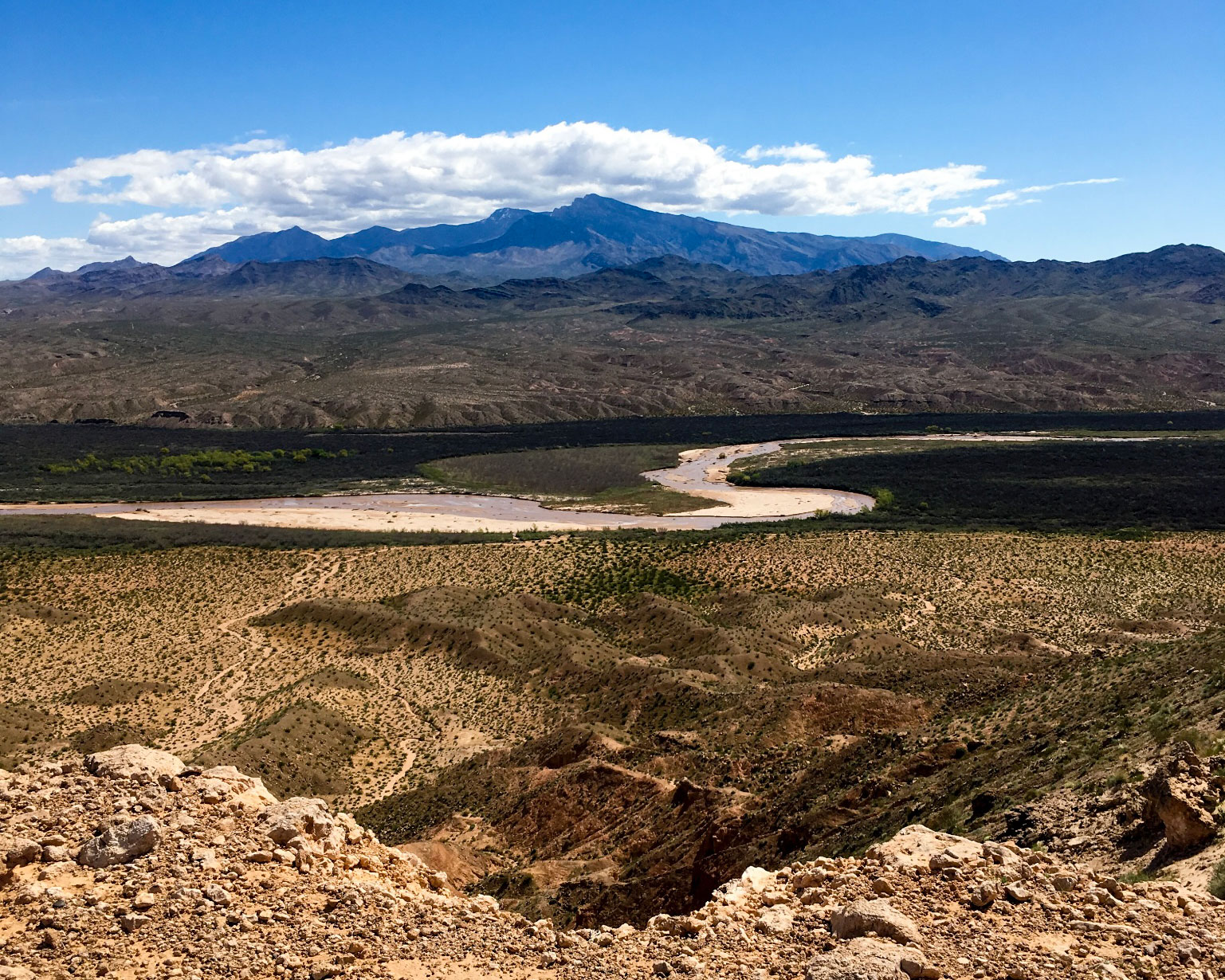
Figure 10: View of the Virgin River from inside Michael Heizer's Double Negative (1969), Overton, NV, 2019
Heizer said of Double Negative: "There is nothing there, yet it is still a sculpture." A perfect description of your ghost. I made you up, like a story, out of the scraps you left behind. But you're also real. Sculptural. A creosote bush flourishes along the deckled edges of this story.

Figure 11: Layers of sedimentation inside Michael Heizer's Double Negative (1969), Overton, NV, 2019
I hoofed out of the southern trench, headed to the north. Passed more birdcage evening primrose, then a lily called weak-stemmed mariposa. Light purple flowers with orange-and-yellow centers, held by a thin, scraggly stem so pale it appears dead. This is also true of Double Negative: Heizer left a memory garden.

Figure 12: Weak-Stemmed Mariposa, Mormon Mesa, Overton, NV, 2019
I stood outside the northern trench, watched two men drive up to the southern trench in an ATV. They ambled to the edge, and though the men were far away, something in their movements suggested sharing a beer. I felt thankful for this sight, distant though it was. I thought of you and your father, the person you hoped to reconcile with but couldn't. Your letter named him as your abuser, but I hope you're together now, if that's your wish. Death is like Oz, a strange land where the rules slip.
No need to climb into the northern trench, the southern space felt like my mess, the north yours. I walked back to the truck, followed the path down the Mesa. As I passed the airport, a man who looked in his 20s flew a red model airplane in loop de loops. I pulled over and watched him in my rearview mirror, mouth agape. Remembered the joy in flight.
You're not supposed to steal rocks from Nevada—Valley of Fire has rather specific signage indicating how much weight would be removed if each visitor pocketed a stone. But here's the truth: back in the southern trench, before I left the Mesa, I dug a piece of sediment from the earth. Two stones, tiny as birds' eggs, one black, the other white flecked with gray. Cemented into a funky heart.

Figure 13: Tomato Rose's heart, inside the southern trench of Michael Heizer's Double Negative (1969), Overton, NV, 2019
The only photos I keep of you are the ones your sister reprinted and mailed to me like postcards of the past. I like the ones of you playing with her white Labradors shortly before your death. On the back of one photo, she wrote that you loved rolling around with her dogs, you had fun chasing each other, were sweet friends.
I think what I have left to say, when all the rest breaks apart, returns to soil, is first that Michael Heizer, for all his subterranean visions, has a cute dog named Tomato Rose. I think you'd appreciate that. The second is what postcards say so easily, but I never could: Wish you were here.
__
Buzz Spector's 1983 sculpture Stone Book (Astounding Revelations) is one of my dream books.